
Knowing the right first aid for a heart attack can save a life. A heart attack is a medical emergency that requires immediate action to restore blood flow to the heart. Recognising the warning signs, calling for emergency medical help, and providing appropriate first aid can improve survival and reduce permanent heart damage.
Why Immediate First Aid for a Heart Attack Matters
A heart attack occurs when blood flow to part of the heart muscle becomes blocked, usually due to a blood clot. Without oxygen-rich blood, heart muscle cells begin to die within minutes.
Doctors often refer to the first 60 to 90 minutes after symptom onset as the Golden Hour. Receiving medical treatment during this critical period significantly reduces irreversible heart muscle damage and improves recovery.
Quick action from family members, friends, or bystanders can make a life-saving difference before emergency medical services arrive.
Recognize the Warning Signs of a Heart Attack
Heart attack symptoms may vary from person to person. While chest pain is the most common symptom, some people experience less obvious signs.
Common symptoms include:
Chest Discomfort
A feeling of pressure, heaviness, squeezing, tightness, or pain in the center of the chest that lasts several minutes or comes and goes.
Pain That Spreads
Pain or discomfort may radiate to:
- Left or right arm
- Shoulders
- Neck
- Jaw
- Back
- Upper abdomen
Shortness of Breath
Difficulty breathing may occur before, during, or after chest discomfort.
Other Warning Signs
Some people, especially women, older adults, and individuals with diabetes, may experience:
- Cold sweats
- Sudden dizziness
- Nausea or vomiting
- Unusual fatigue
- Light-headedness
Never ignore these symptoms, even if they appear mild.
Step-by-Step First Aid for Heart Attack
Here is the step-by-step guide in case you face a heart attack situation with your family, friends and loved ones.
1. Call Emergency Medical Services Immediately
The first and most important step is to call your local emergency medical service immediately.
Do not wait to see if the symptoms improve.
Avoid driving the person to the hospital unless emergency medical assistance is unavailable. Ambulances carry trained professionals and life-saving equipment that can begin treatment on the way to the hospital.
2. Help the Person Sit Down and Stay Calm
Keep the person seated comfortably.
The ideal position is:
- Sitting on the floor or a stable surface
- Leaning slightly back against a chair or wall
- Knees bent if comfortable
This position reduces strain on the heart and lowers the risk of injury if the person loses consciousness.
Encourage slow, steady breathing while waiting for medical help.
3. Give Chewable Aspirin (Only If Appropriate)
If the person is conscious, not allergic to aspirin, and has not been advised to avoid it, help them chew:
- One 325 mg regular aspirin, or
- Two to four 75 mg low-dose aspirin tablets
Chewing aspirin allows faster absorption into the bloodstream compared to swallowing it whole.
Early aspirin administration during a heart attack can help prevent further clot formation and is associated with improved survival.
Do not give aspirin if the person has a known allergy, active bleeding, or has been instructed by a doctor not to take it.
4. Assist With Prescribed Nitroglycerin
If the person already has a prescription for nitroglycerin due to an existing heart condition, help them take the medication exactly as prescribed.
Never give nitroglycerin that belongs to someone else.
The medication should only be used under prior medical advice.
5. Monitor the Person Continuously
Stay with the person until emergency medical professionals arrive.
Observe for:
- Changes in breathing
- Increasing chest pain
- Loss of consciousness
- Reduced responsiveness
Keep the person calm and avoid unnecessary movement.
6. Begin CPR If the Person Becomes Unresponsive
If the person:
- Stops breathing normally
- Becomes unconscious
- Has no signs of circulation
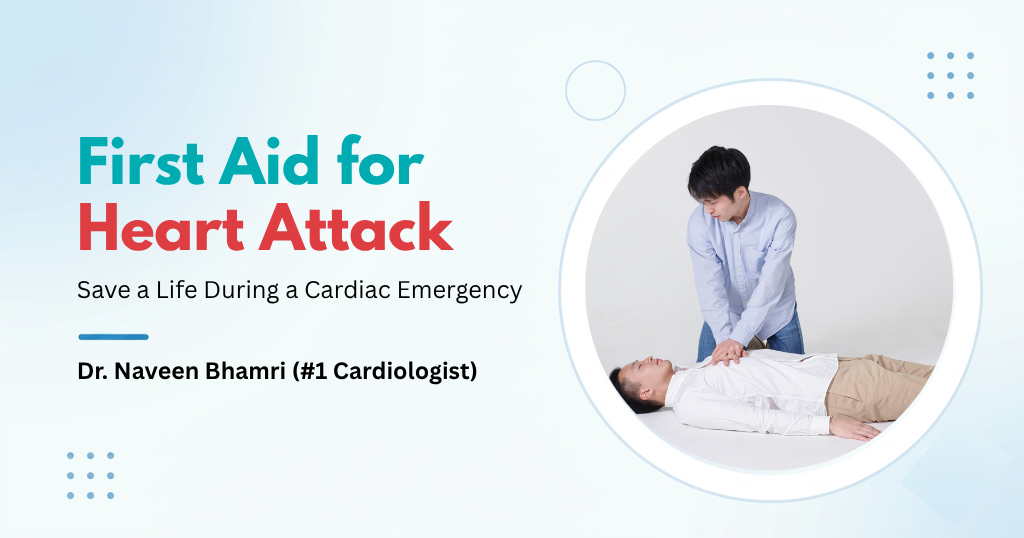
Begin Hands-Only CPR immediately.
Push hard and fast in the center of the chest at a rate of 100 to 120 compressions per minute.
The recommended compression depth for adults is approximately 2 to 2.4 inches (5–6 cm).
Continue chest compressions until emergency responders arrive or the person begins breathing again.
7. Use an Automated External Defibrillator (AED) If Available
If an Automated External Defibrillator (AED) is nearby:
- Turn it on immediately.
- Follow the voice instructions.
- Attach the electrode pads as directed.
- Continue CPR whenever instructed.
Early CPR combined with AED use within 3 to 5 minutes of collapse can increase survival rates to 50% to 70% in certain cardiac arrest cases.
What You Should Never Do During a Heart Attack
Avoid these common mistakes:
- Do not ignore chest pain or wait for symptoms to disappear.
- Do not allow the person to continue walking or performing physical activity.
- Do not offer food or drinks.
- Do not give medications other than prescribed nitroglycerin or appropriately indicated aspirin.
- Do not drive long distances when emergency medical services are available.
Who Has a Higher Risk of Heart Attack?
Several factors increase the likelihood of experiencing a heart attack:
- High blood pressure
- High cholesterol
- Diabetes
- Smoking
- Obesity
- Physical inactivity
- Chronic stress
- Family history of heart disease
- Increasing age
People with these risk factors should undergo regular cardiovascular check-ups to identify problems before an emergency occurs.
Can Heart Attacks Be Prevented?
Although not every heart attack is preventable, healthy lifestyle choices significantly reduce cardiovascular risk.
Protect your heart by:
- Maintaining healthy blood pressure
- Controlling cholesterol
- Managing diabetes effectively
- Exercising regularly
- Eating a heart-healthy diet
- Avoiding tobacco products
- Maintaining a healthy weight
- Getting regular health screenings
Preventive care often identifies silent heart disease before symptoms develop.
When Should You See a Heart Doctor?
Consult a heart doctor in Delhi if you experience:
- Recurrent chest discomfort
- Shortness of breath during routine activities
- Irregular heartbeat
- Unexplained dizziness
- High blood pressure
- Elevated cholesterol
- A strong family history of heart disease
Early evaluation can identify cardiovascular disease before it progresses into a medical emergency.
Dr. Naveen Bhamri, Chairman & HOD of Cardiac Sciences and Interventional Cardiology at Max Super Speciality Hospital and BLK-Max Hospital, Karol Bagh, has over 27 years of experience in advanced cardiac care. Having performed more than 50,000 cardiac procedures, including 20,000+ angioplasties, 50,000+ angiographies, 70+ TAVI procedures, MitraClip procedures for mitral valve regurgitation, 1,500+ device implants, and 500+ drug-coated balloon (DCB) procedures, he has helped over 300,000 patients with the prevention, diagnosis, and treatment of heart disease.
Final Thoughts
Knowing the correct first aid for a heart attack can make the difference between life and death. Recognising symptoms quickly, calling emergency medical services without delay, administering chewable aspirin when appropriate, assisting with prescribed nitroglycerin, and performing CPR if necessary can dramatically improve survival.
Learning these simple yet critical steps prepares you to respond confidently during a cardiac emergency while professional medical care is on the way. Regular preventive check-ups with an experienced heart doctor in Delhi also play a vital role in reducing your risk of future heart attacks.