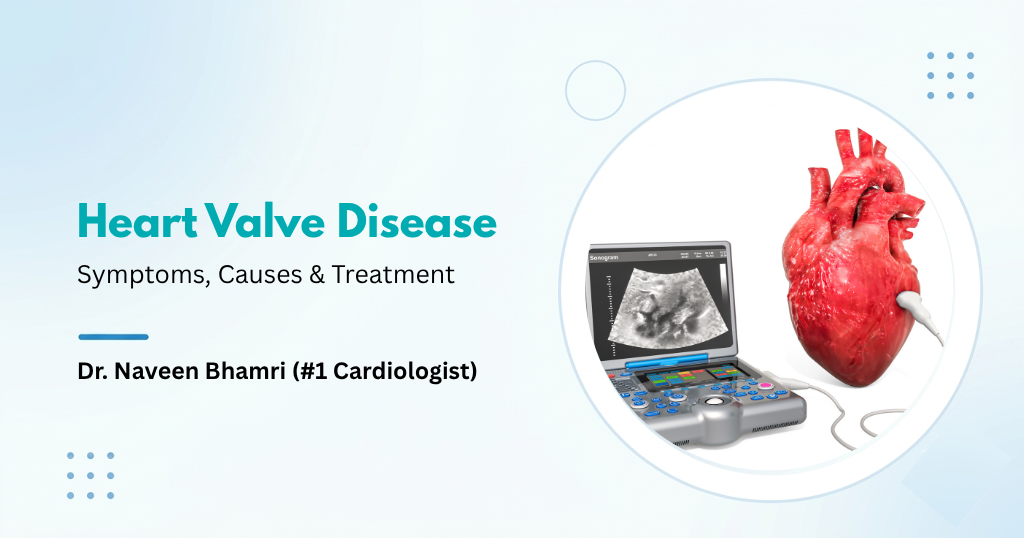

Heart valve disease affects the valves that regulate blood flow through your heart. When these valves fail to open or close properly, your heart has to work much harder to circulate blood efficiently. Without timely treatment, the condition can progress to heart failure, irregular heart rhythms, or stroke. The good news is that modern cardiology offers effective treatment options ranging from medications like blood-thinning medicines to minimally invasive valve replacement procedures.
What is Heart Valve Disease?
The human heart has four valves: the aortic valve, mitral valve, tricuspid valve, and pulmonary valve. Each valve ensures blood moves in one direction. When one or more valves become damaged, narrowed, or leaky, blood circulation becomes inefficient. This condition is known as ‘heart valve disease’. The severity of heart valve disease varies significantly. Some people live for years with mild disease requiring only regular monitoring, while others need urgent intervention to prevent permanent heart damage.
Types of Heart Valve Disease
Heart valve disorders generally occur in three forms.
Valve Stenosis
Stenosis develops when the valve leaflets become stiff, thickened, or fused together. This narrows the valve opening, making it difficult for blood to pass through. As a result, the heart generates much higher pressure to pump blood, gradually weakening the heart muscle.
Valve Regurgitation
Regurgitation, also called valve insufficiency or leakage, occurs when the valve does not close completely. Instead of moving forward, part of the blood flows backward. The heart compensates by pumping extra blood, creating continuous strain on the heart chambers.
Valve Prolapse
Valve prolapse commonly affects the mitral valve. The valve leaflets become unusually flexible and bulge backward during heart contraction. Some patients never develop symptoms, while others gradually develop significant valve leakage requiring treatment.
Which Heart Valves Are Most Commonly Affected?
Well, the exact treatment depends on which valve is affected and how severely it disrupts blood flow. Although all four valves can become diseased, these conditions are seen more frequently among heart patients:
- Aortic valve stenosis
- Mitral valve regurgitation
- Mitral valve prolapse
- Tricuspid valve regurgitation
Symptoms of Heart Valve Disease
Symptoms often develop gradually. Many patients mistake them for ageing or poor fitness until the disease becomes advanced. Common symptoms include:
- Shortness of breath
- Chest discomfort
- Fatigue
- Reduced exercise tolerance
- Heart palpitations
- Dizziness
- Fainting episodes
- Swelling in the legs or ankles
- Difficulty lying flat due to breathlessness
Many patients only realise how much their stamina had declined once treatment restores normal blood flow. It is common to unconsciously slow one’s walking pace or avoid climbing stairs without recognising these as warning signs.
Causes of Heart Valve Disease
Several conditions can damage heart valves.
- Age-Related Calcification: As people age, calcium deposits gradually accumulate on the valve leaflets. This makes them rigid and often leads to severe aortic valve stenosis in older adults.
- Congenital Heart Valve Defects: Some individuals are born with abnormal valves. One of the most common congenital abnormalities is a bicuspid aortic valve, where the valve has two leaflets instead of the usual three. These valves often deteriorate earlier than normal valves.
- Rheumatic Fever: Untreated streptococcal throat infections trigger rheumatic fever, which permanently scars heart valves. Although less common today, it remains an important cause of valve disease in many developing countries.
- Infective Endocarditis: This bacterial infection damages the inner lining of the heart and its valves. Without prompt treatment, infective endocarditis rapidly destroys valve tissue and becomes life-threatening.
- Other Medical Conditions: Heart valve disease also develops due to high blood pressure, previous heart attack, chronic kidney disease, enlarged heart, and connective tissue disorders.
Risk Factors in Developing Heart Valve Disease
You are more likely to develop heart valve disease if you have:
- Age above 60 years
- High blood pressure
- Previous rheumatic fever
- Congenital valve abnormalities
- History of infective endocarditis
- Coronary artery disease
- Chronic kidney disease
- Family history of valve disorders
How is Heart Valve Disease Diagnosed?
Early diagnosis prevents irreversible damage to the heart muscle. A top cardiologist like Dr. Naveen Bhamri may recommend:
- Physical Examination: A heart murmur heard through a stethoscope often provides the first clue.
- Echocardiogram: An echocardiogram is the most important investigation. It uses ultrasound waves to evaluate valve structure, blood flow, and disease severity.
- Electrocardiogram (ECG): An ECG identifies abnormal heart rhythms and signs of heart enlargement.
- Chest X-ray: This helps detect heart enlargement and fluid accumulation in the lungs.
- CT Scan or Cardiac MRI: These advanced imaging tests provide detailed anatomical information when planning surgery or catheter-based procedures.
Treatment for Heart Valve Disease
Treatment depends on the affected valve, severity of damage, symptoms, and overall heart function. The first thing should be regular monitoring. Patients with mild disease and no symptoms may only require periodic echocardiograms to monitor progression. Other than monitoring, these are a few popular heart valve disease treatments.
Medications
Although medicines cannot repair damaged valves, they help control symptoms. These medications reduce the workload on the heart and improve quality of life. Doctors may prescribe the following:
- Beta-blockers
- Calcium channel blockers
- Diuretics
- Blood pressure medications
- Blood thinners when indicated
Heart Valve Repair
Whenever possible, surgeons prefer repairing the patient’s own valve instead of replacing it. Mitral valve repair often provides excellent long-term outcomes.
Repair techniques includes:
- Reshaping valve leaflets
- Repairing torn tissue
- Implanting an annuloplasty ring to strengthen the valve
Heart Valve Replacement
If repair is not feasible, the damaged valve is replaced. Two major replacement options are available.
Mechanical Valves
Mechanical valves are highly durable and often last a lifetime. However, patients are required to take lifelong blood-thinning medication to prevent clot formation. Mechanical valves can produce an audible clicking sound. While this initially surprises many patients and may temporarily affect sleep, most gradually adapt and stop noticing it over time.
Biological Tissue Valves
These valves are made from pig, cow, or donated human tissue. They generally do not require lifelong blood thinners but may wear out after 10–20 years depending on the patient’s age and overall health.
TAVI (Transcatheter Aortic Valve Implantation)
TAVI, also known as TAVR, is a minimally invasive procedure performed through a catheter without conventional open-heart surgery. It has transformed treatment for many elderly or high-risk patients with severe aortic valve stenosis.
Recovery After Valve Surgery
Recovery depends on the type of procedure performed. Most patients gradually resume normal activities over several weeks. Many patients also share that emotional recovery sometimes takes longer than physical healing. Feelings of anxiety, mood changes, or reduced confidence are not uncommon after major heart surgery.
Discussing these concerns with your healthcare team and participating in cardiac rehabilitation can significantly improve recovery. Following surgery, your heart doctor will advise the following:
- Cardiac rehabilitation
- Regular follow-up visits
- Echocardiograms
- Gradual physical activity
- Healthy diet
- Smoking cessation
- Medication adherence
Can Heart Valve Disease Be Prevented?
Not every case can be prevented, but you can reduce your risk by:
- Controlling blood pressure
- Treating throat infections promptly
- Maintaining good dental hygiene
- Managing diabetes
- Avoiding tobacco
- Exercising regularly
- Eating a heart-healthy diet
- Scheduling routine cardiac check-ups
When Should You Consult a Heart Specialist?
Early evaluation allows timely intervention before permanent heart damage occurs. Do not ignore symptoms such as:
- Persistent breathlessness
- Chest pain
- Recurrent dizziness
- Fainting
- Swollen legs
- Sudden decline in exercise capacity
If surgery or advanced valve intervention becomes necessary, consulting an experienced heart surgeon in Delhi as part of a multidisciplinary heart team can help determine the most appropriate treatment approach for your condition.
Choosing an experienced cardiac specialist is crucial when managing complex valve disorders. Dr. Naveen Bhamri serves as Chairman & HOD of Cardiac Sciences and Interventional Cardiology at Max Super Speciality Hospital and brings over 27 years of experience in treating advanced cardiovascular diseases. His expertise includes:
- 50,000+ coronary angiographies
- 20,000+ angioplasties
- 70+ TAVI procedures
- MitraClip procedures for mitral valve regurgitation
- 1,500+ cardiac device implants
- 500+ Drug-Coated Balloon (DCB) procedures
- 300,000+ happy heart patients
His patient-centred approach focuses on accurate diagnosis, minimally invasive therapies whenever appropriate, and long-term heart health.
Frequently Asked Questions (FAQs)
Can Heart Valve Disease heal without surgery?
No. Structural valve abnormalities do not heal on their own. Mild disease may only require monitoring, but severe valve disease often needs repair or replacement.
Is Heart Valve Disease life-threatening?
Yes, if left untreated. Severe valve disease can eventually lead to heart failure, stroke, abnormal heart rhythms, or sudden cardiac complications.
Can medicines cure Heart Valve Disease?
No. Medicines help relieve symptoms and reduce strain on the heart but cannot repair damaged valves.
How long does a replaced heart valve last?
Mechanical valves can last a lifetime, while biological tissue valves generally last between 10 and 20 years.
Is TAVI better than open-heart surgery?
Not for every patient. TAVI is an excellent option for selected patients with aortic valve disease, while others achieve better outcomes with conventional surgery. Your cardiologist will recommend the most suitable approach based on your age, anatomy, and overall health.