
Heart disease treatment has advanced significantly, and many patients ask, ‘Can heart blockages be treated without surgery?’ The answer depends on the severity, location of blockage, symptoms, and overall heart health. Modern cardiology offers several non-surgical approaches, including medications, lifestyle changes, and minimally invasive procedures.
Note: The information shared below is for educational purposes only and does not replace professional medical advice or consultation.
Heart Blockages: Overview
Heart blockages occur when plaque builds up inside the coronary arteries, restricting blood flow to the heart muscle. This condition, known as coronary artery disease (CAD), can lead to chest pain, breathing difficulties, heart attacks, and other complications.
Not every blockage requires open-heart surgery. Doctors evaluate multiple factors before recommending treatment, including:
- Percentage of blockage
- Location of the narrowed artery
- Severity of symptoms
- Heart-pumping function
- Overall health condition
For some patients, medical management and lifestyle changes can effectively control the condition. Others may require catheter-based procedures or surgical intervention.
Can Heart Blockages Be Treated Without Surgery?
Yes, doctors can treat certain heart blockages without major open-heart surgery. The treatment approach depends on whether the blockage is mild, moderate, or severe. Non-surgical treatment options include:
- Medicines to control plaque progression
- Lifestyle modification programs
- Angioplasty and stenting through catheter-based procedures
Non-Surgical Treatment Options for Heart Blockage
A cardiologist determines the most suitable option after detailed evaluation.
1. Optimal Medical Therapy (OMT)
Optimal Medical Therapy uses prescribed medicines to manage heart disease and prevent further complications. Doctors commonly use medications such as:
- Statins to reduce cholesterol levels
- Beta-blockers to control heart workload
- ACE inhibitors to manage blood pressure
- Antiplatelet medicines to reduce blood clot risk
These medicines help stabilise existing plaque, improve heart function, and reduce the chances of future cardiac events. Who can benefit from medical therapy? Patients should take medicines only under a cardiologist’s guidance. OMT often suits patients with:
- Mild to moderate blockages
- Stable angina symptoms
- Controlled coronary artery disease
- Risk factors like high cholesterol or hypertension
2. Angioplasty and Stenting: Minimally Invasive Heart Treatment
Many people consider angioplasty a surgery, but it does not involve open-heart surgery. During angioplasty:
- A cardiologist inserts a thin catheter through the wrist or groin artery.
- A small balloon expands the narrowed artery.
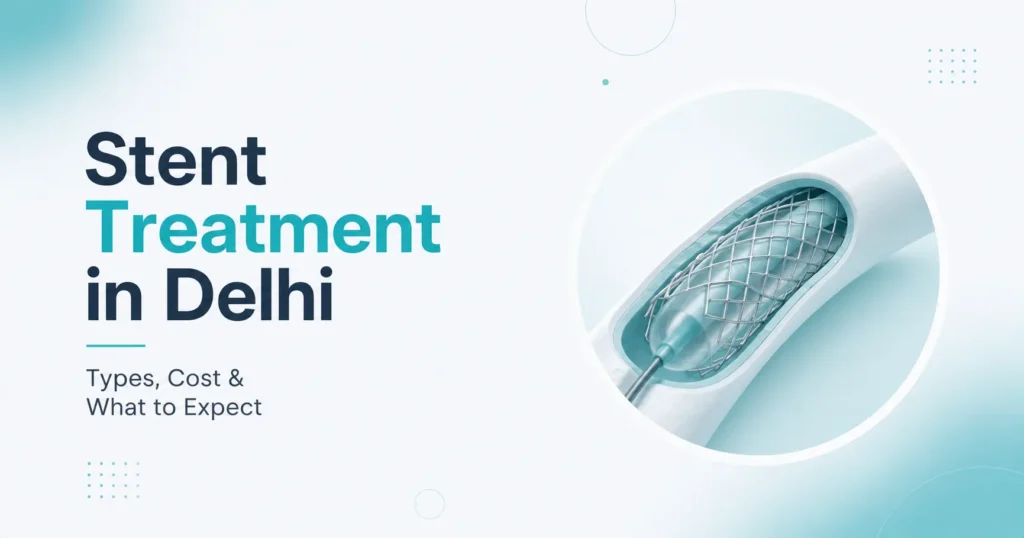
- A stent is placed to keep the artery open and improve blood flow.
This procedure does not require opening the chest and usually allows faster recovery compared to bypass surgery. Angioplasty is recommended for:
- Moderate to severe blockages
- Significant symptoms affecting daily life
- Emergency heart attack situations
- Reduced blood flow due to narrowed arteries
Dr. Naveen Bhamri, Vice Chairman & HOD of Interventional Cardiology at Max Super Speciality Hospital, Shalimar Bagh, has over 27 years of cardiology experience and has performed more than 50,000 cardiac procedures, including complex angioplasties and device implants. Book your appointment now.
3. Lifestyle-Based Heart Disease Management
Lifestyle changes play an important role in controlling coronary artery disease and work best when combined with proper medical supervision.
A heart-healthy lifestyle includes:
- Balanced Diet: Doctors often recommend more fruits and vegetables, whole grains, healthy protein sources, reduced saturated fats and processed foods.
- Regular Physical Activity: Structured exercise programmes and cardiac rehabilitation help improve heart strength and overall fitness.
- Weight Management: Maintaining a healthy weight reduces stress on the heart and improves blood pressure and cholesterol levels.
- Smoking Cessation: Stopping smoking remains one of the most important steps to reduce further artery damage.
When is Non-Surgical Treatment Suitable?
Doctors usually consider factors such as artery condition, symptoms, and test results before recommending treatment. Non-surgical heart blockage treatment may work well when:
- Symptoms remain stable and manageable
- Blockages do not affect critical artery areas
- The patient has higher risks for invasive procedures
- Blood flow remains adequate with medical management
When is Bypass Surgery Required?
Although many blockages can be managed without open surgery, some conditions require bypass surgery (CABG). Doctors may recommend bypass surgery when:
- Multiple major arteries have severe blockages
- The left main coronary artery has significant disease
- Heart function becomes severely reduced
- Angioplasty cannot restore sufficient blood flow
- The patient experiences unstable symptoms or emergency conditions
Remember, a proper cardiac evaluation helps determine whether medication, angioplasty, or bypass surgery offers the safest outcome.
Medical Tests Doctors Use Before Choosing Treatment
These clinical tests help doctors understand the severity and location of blockages. Before deciding the right heart blockage treatment approach, cardiologists may recommend tests such as:
- ECG (Electrocardiogram)
- Echocardiogram
- Treadmill Test (TMT)
- CT Coronary Angiography
- Coronary Angiography
Heart Blockage Treatment Options in Delhi
Delhi offers advanced cardiac care facilities with access to modern diagnostic tools and minimally invasive treatments. Patients looking for heart blockage treatment in Delhi should consult an experienced interventional cardiologist who can evaluate their condition and recommend the most suitable approach.
Dr. Naveen Bhamri specialises in interventional cardiology with expertise in:
- 20,000+ angioplasties
- 50,000+ angiography procedures
- 150+ peripheral angioplasties
- 60+ TAVI procedures
- 1,500+ device implants
His experience helps patients receive personalised treatment plans based on their heart condition and medical requirements. Make your appointment now.
Final Thoughts
Heart blockage treatment does not always require open-heart surgery. Depending on the condition, patients may benefit from medicines, lifestyle changes, or minimally invasive procedures like angioplasty.
Early diagnosis and timely consultation with an experienced cardiologist can help prevent complications and improve heart health. If you are exploring heart blockage treatment in Delhi, consult a qualified cardiac specialist like Dr. Naveen Bhamri to understand the most suitable treatment option for your condition.
Frequently Asked Questions
Can heart blockage go away without surgery?
Heart blockage does not usually disappear completely on its own, but certain blockages can be managed without surgery depending on their severity and location. Doctors may recommend medicines, lifestyle changes, cholesterol control, and exercise to improve blood flow and prevent further progression. In some patients with mild or stable blockages, these approaches can effectively control symptoms. However, severe blockages that significantly restrict blood supply may require procedures like angioplasty or bypass surgery after a detailed cardiac evaluation.
Is angioplasty considered surgery?
Angioplasty is not considered open-heart surgery because it does not involve opening the chest or stopping the heart. It is a minimally invasive procedure where a cardiologist inserts a thin catheter through an artery in the wrist or groin to reach the blocked artery. A balloon expands the narrowed area, and a stent is placed to maintain proper blood flow. Patients usually recover faster compared to bypass surgery, but doctors recommend angioplasty only after evaluating the blockage severity and overall heart condition.
Can medicines treat heart blockages?
Medicines can help manage heart blockages by controlling the factors that contribute to artery narrowing and reducing the risk of future heart problems. Doctors may prescribe medications such as statins, antiplatelets, beta-blockers, and blood pressure medicines depending on the patient’s condition. These medicines can stabilise plaque, reduce cholesterol levels, prevent blood clots, and improve heart function. However, medicines may not be enough for severe blockages that significantly reduce blood flow, where procedures like angioplasty or bypass surgery may become necessary.
What is the best treatment for heart blockage?
The best treatment for heart blockage depends on several factors, including the percentage of blockage, affected artery, symptoms, age, medical history, and overall heart health. Some patients may benefit from medicines and lifestyle modifications, while others may require angioplasty, stenting, or bypass surgery. A cardiologist usually recommends treatment after reviewing diagnostic tests such as ECG, echocardiography, stress tests, CT coronary angiography, or coronary angiography. Personalized treatment helps patients receive the safest and most effective approach for their condition.