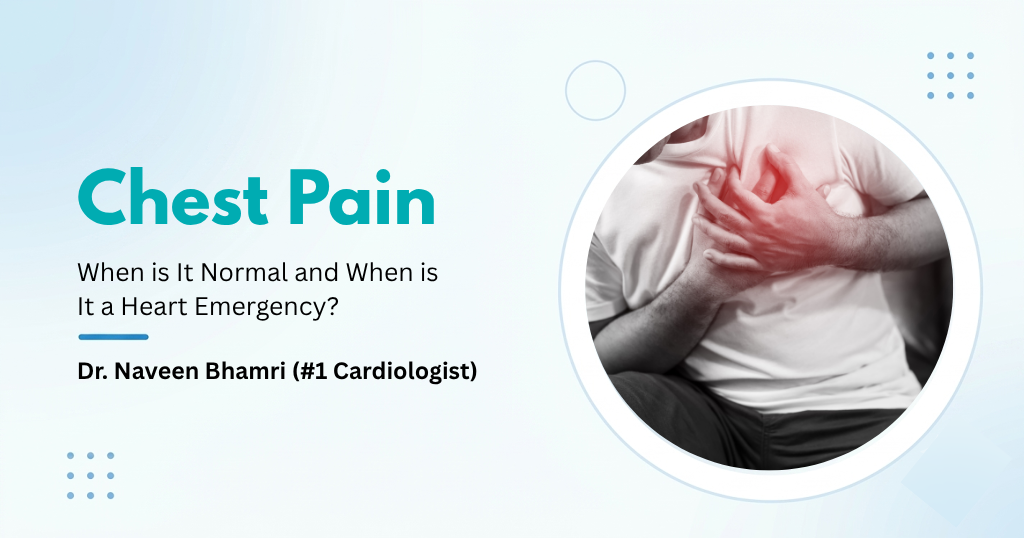

Chest pain can happen due to several reasons, from simple muscle strain and acidity to serious heart conditions. While some chest discomfort may not indicate a major health issue, certain symptoms require immediate medical attention. Understanding the warning signs can help you take timely action and prevent serious complications.
What Does Chest Pain Mean?
Chest pain refers to any discomfort, pressure, or pain felt anywhere between the neck and upper abdomen. Many people immediately associate it with a heart attack, but not every chest pain comes from the heart.
The challenge is that heart-related chest pain can sometimes feel similar to common problems like acidity, gas, or muscle pain. This makes it difficult to identify the actual cause without proper medical evaluation.
A delay in recognising a heart (cardiac) emergency in Delhi can increase the risk of severe heart damage. Therefore, knowing the difference between normal chest discomfort and emergency warning signs becomes extremely important.
When Is Chest Pain a Heart Emergency?
Heart-related chest pain often occurs when the heart muscle does not receive enough oxygen-rich blood. This condition may indicate problems such as angina or a heart attack. You should treat chest pain as a possible emergency if you experience the following:
1. Heavy Pressure or Crushing Sensation
Heart-related chest pain often feels like:
- A heavy weight sitting on your chest
- Tightness or squeezing pressure
- A band-like sensation around the chest
- Deep burning discomfort
Many patients describe it as a feeling of something pressing heavily on their chest rather than sharp pain.
2. Pain That Spreads to Other Body Parts
Cardiac chest pain may not stay limited to the chest area. The discomfort can spread to:
- Left arm
- Shoulder
- Jaw
- Neck
- Back
- Upper stomach area
Pain spreading beyond the chest is a major warning sign that requires urgent medical attention.
3. Chest Pain During Physical Activity or Stress
Heart-related discomfort often appears when your heart requires more oxygen, such as during:
- Walking quickly
- Climbing stairs
- Exercising
- Emotional stress
The pain may improve with rest initially but should not be ignored, especially if it repeats frequently.
4. Chest Pain With Other Symptoms
Chest discomfort becomes more concerning when it appears with:
- Cold sweating
- Shortness of breath
- Nausea or vomiting
- Dizziness
- Fainting
- Sudden weakness
- Feeling of extreme anxiety or danger
These symptoms may indicate that your heart is under stress and needs immediate evaluation.
Chest Pain Symptoms That Require Immediate Medical Attention
Seek emergency care immediately if you notice:
- Chest pressure lasting more than 5–10 minutes
- Pain spreading to your jaw, neck, left arm, or back
- Sudden breathing difficulty with chest discomfort
- Cold, clammy sweating
- Severe dizziness or fainting
- New chest pain without an obvious reason
Do not wait for symptoms to disappear on their own. Heart emergencies can progress quickly, and early treatment can save heart muscle and improve outcomes.
Can Women Experience Different Heart Attack Symptoms?
Yes. Heart attack symptoms do not always appear the same in every person. Women, older adults, and people with diabetes may experience less typical symptoms, including:
- Unusual fatigue
- Nausea
- Back discomfort
- Shortness of breath
- Mild chest discomfort instead of severe crushing pain
Because these symptoms can appear less obvious, people often delay seeking medical help.
Not every chest pain indicates a cardiac problem. Several non-heart conditions can also cause discomfort. However, you should confirm the cause with a medical professional instead of assuming it is harmless.
1. Acid Reflux and Digestive Problems
Gastrointestinal issues such as acid reflux, gastritis, or gas buildup can create chest discomfort. Common signs include:
- Burning sensation behind the breastbone
- Sour taste in the mouth
- Burping
- Pain after eating
- Relief after taking antacids
Acidity-related pain often changes with food intake or body position.
Chest muscles and rib joints can also cause discomfort. Musculoskeletal chest pain often:
- Increases when you press the painful area
- Gets worse with movement or twisting
- Appears after exercise, lifting, or injury
- Feels sharp or localized
Conditions like costochondritis, which causes inflammation around the rib cartilage, can also create chest pain.
3. Anxiety and Panic Attacks
Stress and anxiety can trigger physical symptoms that feel similar to heart problems. A panic attack may cause:
- Chest tightness
- Fast heartbeat
- Rapid breathing
- Feeling of fear
- Dizziness
These symptoms often improve within 20–30 minutes, but recurring episodes still require medical advice.
Differentiate Heart Chest Pain From Normal Chest Pain
| Feature | Heart-Related Chest Pain | Likely Non-Cardiac Chest Pain |
| Feeling | Pressure, squeezing, heaviness, tightness | Sharp, stabbing, localized pain |
| Location | Center or left side of chest | Small specific area |
| Spread | May move to arm, jaw, neck, back | Usually stays in one area |
| Trigger | Exercise, stress, physical activity | Touch, movement, breathing, meals |
| Duration | More than 5–10 minutes or repeated episodes | Seconds or related to specific movements |
| Other Symptoms | Sweating, nausea, dizziness, breathing difficulty | Acid reflux symptoms or muscle tenderness |
Why Chest Pain Should Never Be Ignored
Many people delay medical care because they assume chest pain is caused by gas or acidity. This can become dangerous because heart conditions can sometimes present with mild or unusual symptoms. A proper evaluation may include:
- ECG testing
- Blood tests
- Echocardiography
- Stress testing
- Coronary imaging when required
Only a qualified cardiologist can determine whether chest pain is cardiac or non-cardiac.
Expert Heart Care for Chest Pain Evaluation in Delhi
When patients experience warning signs related to heart health, timely consultation with an experienced cardiologist becomes essential.
Dr. Naveen Bhamri is Vice Chairman & HOD of Interventional Cardiology, Max Super Speciality Hospital, Shalimar Bagh. He specialises in advanced diagnosis and treatment of heart conditions, with a track record that includes:
- 50,000+ angiographies
- 20,000+ angioplasties
- 1,500+ device implants
For patients searching for reliable evaluation and treatment for a heart (cardiac) emergency in Delhi, consulting an experienced cardiac specialist can help ensure timely care.
What Should You Do If You Experience Sudden Chest Pain?
Follow these steps:
- Stop physical activity immediately.
- Sit down and remain calm.
- Do not ignore symptoms if they feel unusual.
- Seek emergency medical help if warning signs appear.
- Avoid self-diagnosing the cause of chest pain.
Quick action can make a major difference during a cardiac emergency.
FAQs About Chest Pain
Is every chest pain a sign of a heart attack?
No, chest pain can occur due to acidity, muscle strain, anxiety, or other conditions. However, sudden pressure-like chest pain with breathing difficulty, sweating, or pain spreading to the arm or jaw may indicate a heart emergency.
How long should chest pain last before I worry?
Chest pain lasting more than 5–10 minutes, especially with pressure, sweating, dizziness, or breathing difficulty, requires urgent medical attention.
Can acidity cause chest pain similar to a heart attack?
Yes, acid reflux can cause burning chest discomfort that may feel similar to heart-related pain. A medical evaluation helps identify the actual cause.
When should I visit a cardiologist for chest pain?
You should consult a cardiologist if you experience repeated chest pain, pain during physical activity, unexplained discomfort, or any symptoms associated with heart problems.
Final Thoughts
Chest pain can range from a harmless muscle strain to a life-threatening heart emergency. The key difference lies in recognising warning signs such as pressure, pain radiation, breathing difficulty, sweating, and dizziness.
Never ignore unusual chest discomfort. Early diagnosis and timely treatment can protect your heart health and prevent serious complications. If you experience symptoms of a possible cardiac emergency, seek immediate medical care from an experienced heart specialist.