What is a Lipid Specialist?
A lipid specialist focuses on identifying and treating complex cholesterol disorders that may not be adequately controlled through routine management.
These specialists evaluate:
- High LDL cholesterol (“bad cholesterol”)
- Low HDL cholesterol (“good cholesterol”)
- Elevated triglycerides
- Genetic cholesterol disorders
- Lipid abnormalities associated with diabetes, obesity, and metabolic conditions
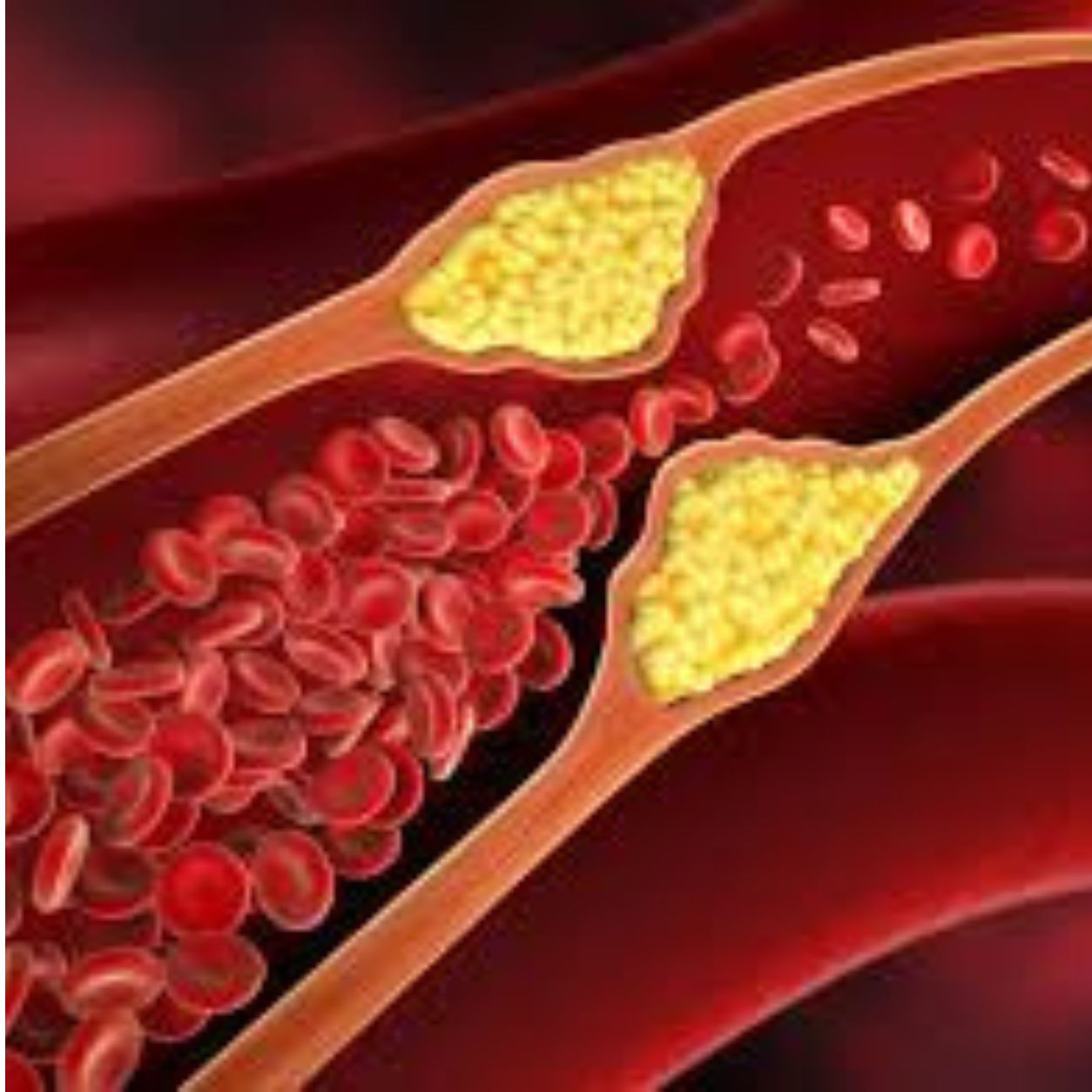
The primary goal is to reduce the buildup of fatty deposits inside arteries, prevent cardiovascular complications, and improve long-term heart health.
Understanding Lipid Disorders
In a healthy body, cholesterol and triglycerides are transported through the bloodstream by particles called lipoproteins. However, when lipid levels become abnormal:
- LDL cholesterol can enter artery walls and form plaque.
- Triglycerides can increase the risk of inflammation and vascular damage.
- Reduced HDL levels may decrease the body’s ability to remove excess cholesterol.
Over time, these changes can contribute to:
- Coronary artery disease
- Carotid artery disease
- Peripheral artery disease
- Increased risk of heart attacks and strokes
Advanced Lipid Evaluation
A lipid specialist goes beyond routine cholesterol testing and may perform detailed assessments to understand an individual’s cardiovascular risk.
Advanced Lipid Testing
Additional evaluations may include:
Apolipoprotein B (ApoB):
Measures the number of cholesterol-carrying particles that contribute to plaque formation.
Lipoprotein(a) Testing:
Identifies genetically inherited cholesterol-related risk that may remain hidden despite normal cholesterol levels.
Advanced Risk Assessment:
Helps determine whether a patient requires early or more aggressive preventive treatment.
Specialized Treatment Approaches
Treatment depends on the type and severity of lipid abnormality.
Statin Therapy
Statins are commonly used medications that reduce LDL cholesterol production in the liver and lower the risk of cardiovascular events.
PCSK9 Inhibitors
For patients with very high cholesterol levels or those who do not achieve targets with standard medicines, PCSK9 inhibitors can significantly reduce LDL cholesterol by enhancing the liver’s ability to remove cholesterol from blood.
Lifestyle-Based Lipid Management
A comprehensive approach may include:
- Heart-healthy nutrition
- Weight management
- Regular physical activity
- Diabetes and blood pressure control
- Smoking cessation support
Understanding the Clinical Impact
The role of a lipid specialist extends beyond lowering cholesterol numbers. Effective lipid management helps:
Atherosclerosis Prevention
Reducing harmful cholesterol levels slows the formation of plaque inside arteries and helps maintain healthier blood vessels.
Cardiovascular Risk Reduction
Early identification and treatment of lipid disorders can significantly reduce the chances of:
- Heart attacks
- Stroke
- Need for coronary interventions
Family Screening
Patients with inherited cholesterol conditions may require evaluation of family members to identify risks early and begin preventive care.
Specialized Treatment Approaches
Meet Dr. Naveen Bhamri, one of the best heart specialist doctors, a distinguished and highly skilled cardiologist renowned for his Transcatheter Aortic Valve Implantation expertise. With a passion for delivering outstanding patient care and a commitment to pushing the boundaries of cardiovascular medicine, Dr. Bhamri stands at the forefront of TAVI procedures.
Expertise and Experience: Dr. Naveen Bhamri is a leading cardiologist. He has a proven track record of effective procedures and has accumulated priceless experience that allows him to confidently and correctly handle even the most challenging instances.
Compassionate Patient Care: At the heart of Dr. Bhamri’s practice is his unwavering commitment to providing personalized and compassionate care to every patient. He takes the time to understand each individual’s unique medical history and concerns, ensuring a tailored approach to treatment.
Modern Technology: Dr. Naveen makes it a point to stay updated on cardiovascular medicine’s most recent developments. To give the best results and improve patient safety, he makes use of the latest technologies and does the work of peripheral vascular surgeons as well.
Patient Education: Dr. Naveen Bhamri firmly believes in empowering patients with knowledge. He takes the time to explain the TAVI procedure in detail, addressing any concerns and guiding patients and their families throughout the treatment journey.
Long-Term Lipid Management
Managing cholesterol is a lifelong process that requires regular monitoring.
Follow-up care may include:
Repeat Lipid Testing:
Blood tests help evaluate treatment effectiveness and adjust medications when required.
Medication Monitoring:
Doctors assess response, safety, and long-term tolerance of cholesterol-lowering therapies.
Risk Factor Control:
Blood pressure, blood sugar, diet, and lifestyle habits are reviewed to provide complete cardiovascular protection.