What is a Cholesterol Specialist?
A cholesterol specialist evaluates patients with abnormal cholesterol levels, especially those who have difficulty achieving healthy cholesterol targets despite lifestyle changes or standard treatments.
They manage conditions including:
- High LDL cholesterol
- Familial hypercholesterolemia (inherited high cholesterol)
- Mixed cholesterol disorders
- High triglycerides
- Cholesterol-related cardiovascular risks
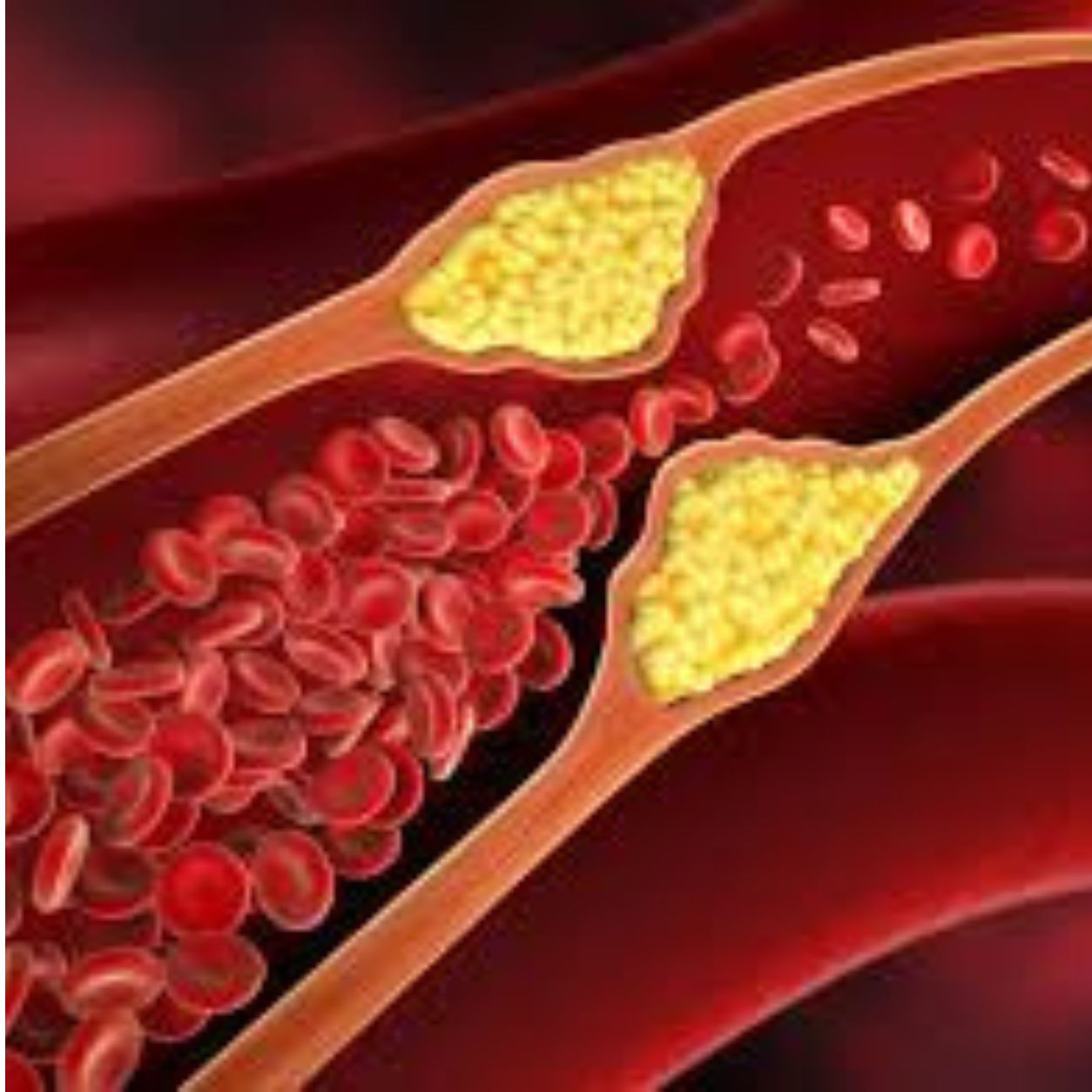
The main objective is to reduce plaque formation in arteries and prevent future heart-related complications.
Understanding Cholesterol and Heart Health
Cholesterol itself is necessary for the body to function properly. It helps create hormones, vitamin D, and cell structures. However, imbalance between different cholesterol types can become harmful.
LDL Cholesterol
Often called “bad cholesterol,” LDL can deposit inside artery walls and contribute to plaque formation.
HDL Cholesterol
Known as “good cholesterol,” HDL helps transport excess cholesterol away from arteries.
Triglycerides
High triglyceride levels can increase cardiovascular risk, especially when combined with diabetes, obesity, or low HDL levels.
How Cholesterol Specialists Evaluate Risk
Modern cholesterol management focuses on personalized risk assessment rather than treating every patient the same way.
Medical History Assessment
Doctors evaluate:
- Family history of heart disease
- Previous heart events
- Lifestyle factors
- Existing conditions such as diabetes or hypertension
Diagnostic Testing
Evaluation may include:
Complete Lipid Profile:
Measures total cholesterol, LDL, HDL, and triglycerides.
Coronary Risk Assessment:
Determines the likelihood of future cardiovascular events.
Genetic Testing:
May be recommended when inherited cholesterol disorders are suspected.
Advanced Cholesterol Treatment Methods
Depending on the patient’s risk profile, different treatment strategies may be used.
Cholesterol-Lowering Medications
Medications help reduce cholesterol production, improve cholesterol removal, and prevent plaque progression.
Combination Therapy
Some patients require multiple approaches to achieve recommended cholesterol levels, especially those with very high cardiovascular risk.
Preventive Cholesterol Management
Patients without symptoms may also benefit from early cholesterol control to prevent future artery blockage.
Why Cholesterol Management Matters
Effective cholesterol treatment plays a major role in preventing cardiovascular disease.
Plaque Stabilization
Lower cholesterol levels help reduce the growth of existing arterial plaques and make them less likely to rupture.
Heart Attack Prevention
Maintaining healthy cholesterol levels reduces the chances of blocked arteries leading to emergency cardiac events.
Improved Long-Term Health
Consistent cholesterol control supports healthier blood vessels and reduces the burden on the heart.
Post-Treatment Monitoring
Successful cholesterol management requires continuous follow-up.
Regular Blood Tests
Periodic lipid testing ensures treatment goals are being achieved.
Lifestyle Optimization
Patients receive guidance regarding:
- Balanced nutrition
- Physical activity
- Weight control
- Managing blood pressure and diabetes
Ongoing Risk Assessment
As health conditions change over time, cholesterol treatment plans may need adjustment to maintain maximum cardiovascular protection.