What is Lipid and Cholesterol Management?
Lipid and cholesterol management involves the evaluation and treatment of conditions affecting cholesterol, triglycerides, and other blood lipids.
A cardiologist may evaluate patients with:
- High LDL cholesterol
- Low HDL cholesterol
- Elevated triglycerides
- Familial hypercholesterolemia
- Mixed lipid disorders
- Lipid abnormalities associated with diabetes or obesity
- Increased cardiovascular risk due to abnormal cholesterol levels
- A family history of premature heart disease
The objective is to reduce cardiovascular risk, slow the progression of atherosclerosis, and support long-term heart health.
Understanding Lipids and Cholesterol
Lipids are essential fats that perform important functions in the body. Cholesterol and triglycerides are transported through the bloodstream by particles called lipoproteins.
However, abnormal levels can increase the risk of cardiovascular disease.
LDL Cholesterol
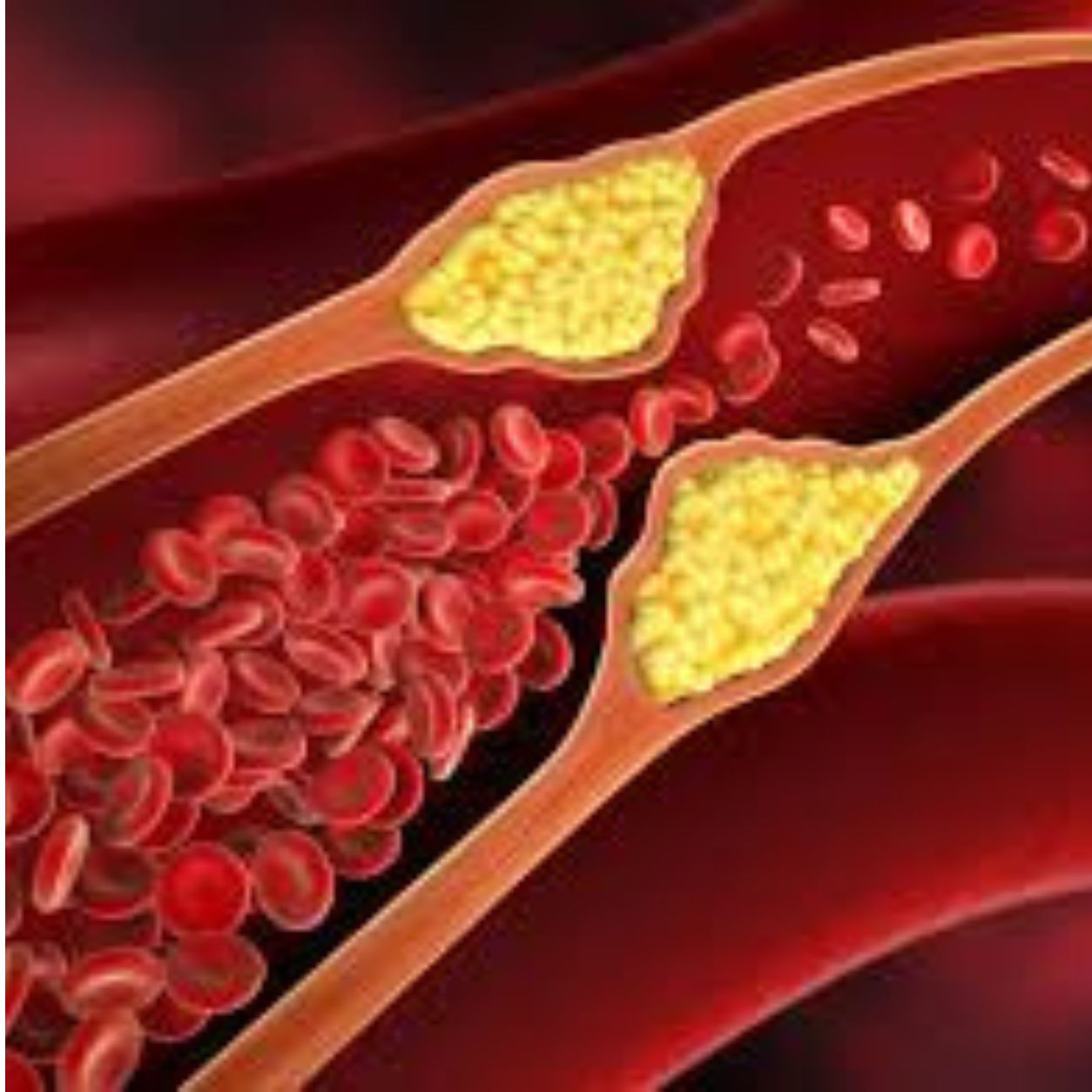
Often referred to as “bad cholesterol,” LDL cholesterol can enter artery walls and contribute to the formation of plaque.
Over time, plaque buildup can narrow or block arteries.
HDL Cholesterol
HDL cholesterol is commonly known as “good cholesterol.” It helps transport excess cholesterol away from the bloodstream and arteries.
Triglycerides
Triglycerides are a type of fat found in the blood. Elevated triglyceride levels can contribute to cardiovascular risk, particularly when associated with diabetes, obesity, or metabolic disorders.
How Abnormal Lipid Levels Affect Heart Health
When harmful cholesterol particles accumulate inside artery walls, they can contribute to atherosclerosis.
Over time, this may increase the risk of:
- Coronary artery disease
- Carotid artery disease
- Peripheral artery disease
- Heart attack
- Stroke
- Other cardiovascular complications
Early identification and appropriate management can help reduce these risks.
Comprehensive Lipid and Cholesterol Evaluation
Lipid and cholesterol management begins with a detailed assessment of the patient’s overall cardiovascular health.
Medical History and Risk Assessment
The evaluation may include:
- Family history of heart disease
- Previous heart attack or stroke
- Diabetes and blood pressure status
- Lifestyle and dietary habits
- Smoking history
- Weight and physical activity levels
- Existing cardiovascular conditions
This information helps determine an individual’s overall cardiovascular risk.
Lipid Profile Testing
A standard lipid profile may measure:
- Total cholesterol
- LDL cholesterol
- HDL cholesterol
- Triglycerides
These results help doctors understand the patient’s lipid status and determine whether treatment is required.
Advanced Lipid Testing
Some patients may require additional testing for a more detailed cardiovascular risk assessment.
Apolipoprotein B (ApoB)
ApoB testing measures the number of cholesterol-containing particles that may contribute to plaque formation inside arteries.
Lipoprotein(a) – Lp(a)
Lipoprotein(a) testing can help identify inherited cardiovascular risk that may not be evident through routine cholesterol testing alone.
Advanced Cardiovascular Risk Assessment
Additional assessments may be considered for patients with:
- Premature cardiovascular disease
- A strong family history of heart disease
- Very high cholesterol levels
- Suspected inherited lipid disorders
- Recurrent cardiovascular events
Familial Hypercholesterolemia and Genetic Lipid Disorders
Some individuals have inherited conditions that cause significantly elevated cholesterol levels from an early age.
Familial hypercholesterolemia can increase the risk of premature cardiovascular disease if left untreated.
Early diagnosis is important, and family members may also require evaluation when an inherited lipid disorder is identified.
Treatment for High Cholesterol and Lipid Disorders
Treatment depends on the patient’s lipid levels, medical history, cardiovascular risk, and underlying health conditions.
Lifestyle-Based Lipid Management
Lifestyle modification plays an important role in improving lipid levels and overall heart health.
Recommendations may include:
- Heart-healthy nutrition
- Regular physical activity
- Weight management
- Blood sugar control
- Blood pressure management
- Smoking cessation
- Reducing other cardiovascular risk factors
Cholesterol-Lowering Medications
Medication may be recommended when lifestyle changes alone are insufficient or when cardiovascular risk is high.
Statin Therapy
Statins are commonly prescribed medications that help reduce LDL cholesterol levels and lower the risk of cardiovascular events.
Combination Therapy
Some patients require more than one treatment approach to achieve appropriate cholesterol targets, particularly those with high cardiovascular risk or severe lipid abnormalities.
Advanced Lipid-Lowering Treatments
For selected patients with very high cholesterol levels or inherited lipid disorders, additional therapies may be considered.
These may include advanced cholesterol-lowering medications such as PCSK9 inhibitors, depending on clinical requirements and individual treatment goals.
Why Lipid and Cholesterol Management Matters
Effective management can play an important role in long-term cardiovascular prevention.
Atherosclerosis Prevention
Reducing harmful cholesterol levels can help slow the accumulation of plaque inside arteries.
Cardiovascular Risk Reduction
Appropriate lipid management may help reduce the risk of:
- Heart attacks
- Stroke
- Progression of coronary artery disease
- Peripheral vascular complications
- Future cardiovascular interventions
Plaque Stabilization
Lowering harmful cholesterol levels can help reduce the progression of existing arterial plaque and support long-term vascular health.
Personalized Lipid Management
Every patient has a different cardiovascular risk profile.
Treatment decisions may depend on factors such as:
- Age
- Existing heart disease
- Diabetes
- Blood pressure
- Family history
- Cholesterol and triglyceride levels
- Lifestyle habits
- Previous cardiovascular events
A personalized approach helps ensure that treatment is appropriate for the individual’s overall health and cardiovascular risk.
Long-Term Monitoring and Follow-Up
Lipid and cholesterol management is an ongoing process.
Repeat Lipid Testing
Regular blood tests help monitor cholesterol and triglyceride levels and evaluate the effectiveness of treatment.
Medication Monitoring
Follow-up appointments allow doctors to assess treatment response, safety, and medication tolerance.
Ongoing Risk Factor Control
Long-term cardiovascular protection also involves monitoring and managing:
- Blood pressure
- Blood sugar
- Weight
- Diet
- Physical activity
- Smoking habits
Treatment plans may be adjusted over time based on changes in lipid levels and overall cardiovascular health.
Consult a Cardiologist for Lipid and Cholesterol Management
High cholesterol and abnormal lipid levels may not cause noticeable symptoms. Regular screening and appropriate cardiovascular risk assessment are important, particularly for individuals with a family history of heart disease or other risk factors.
Dr. Naveen Bhamri provides comprehensive cardiovascular evaluation and management for patients with cholesterol and lipid-related concerns. A detailed assessment can help identify risk factors early and develop an appropriate strategy for long-term heart health.
Book a consultation to discuss your lipid profile, cholesterol levels, cardiovascular risk, and appropriate treatment options.