What is a Pacemaker?
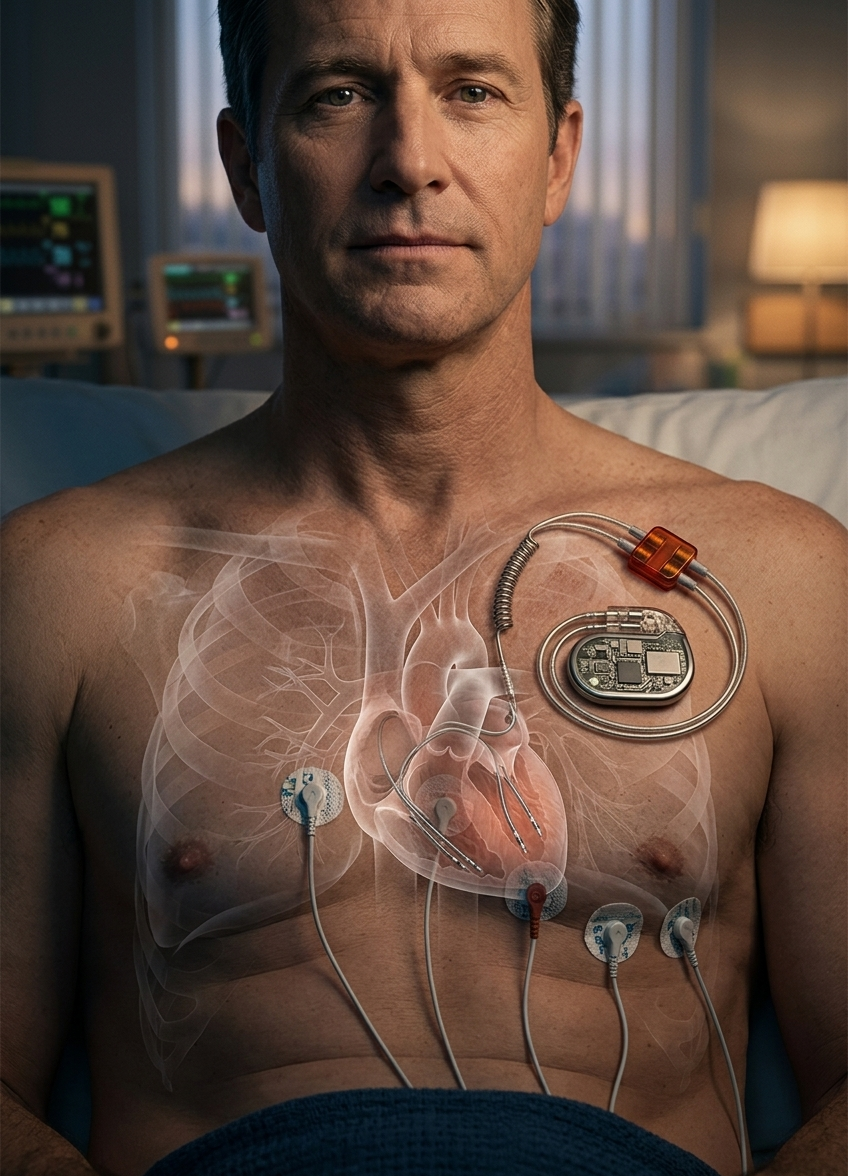
A pacemaker is a sophisticated medical device that regulates and stabilizes the heart’s rhythm. It is a small, battery-powered device that is surgically implanted under the skin, typically in the chest area, just below the collarbone, best doctor for pacemaker. The pacemaker is connected to one or more leads (thin wires) that are carefully threaded through the veins and attached to specific locations within the heart.
The primary function of a pacemaker is to monitor the heart’s electrical activity continuously. When the pacemaker detects abnormal heart rate or rhythm, it automatically sends electrical signals to the heart, prompting it to beat correctly. This ensures the heart maintains an optimal rhythm, pumps blood effectively, and distributes oxygen and nutrients throughout the body.Pacemakers are instrumental in managing various heart conditions, particularly irregular heartbeats (arrhythmias) or bradycardia, which is an abnormally slow heart rate. A pacemaker can prevent symptoms such as dizziness, fainting, and fatigue by providing timely electrical stimulation, thereby significantly improving the overall quality of life for individuals with heart rhythm disorders.