
What is Peripheral Vascular Disease?
Peripheral Vascular Disease (PVD) is a medical condition affecting blood vessels outside the heart and brain. It is characterized by the narrowing, blockage, or damage of arteries and veins in the extremities, such as the legs and arms. PVD is mainly associated with atherosclerosis, a process in which fatty deposits called plaques build up in the walls of blood vessels, causing them to become narrower and less flexible.
As the arteries and veins become restricted, blood flow to the affected areas is reduced, leading to various health complications. PVD can cause discomfort, pain, and limited mobility. If left untreated, it may result in more severe consequences, such as non-healing wounds, infections, and in extreme cases, tissue death (gangrene).
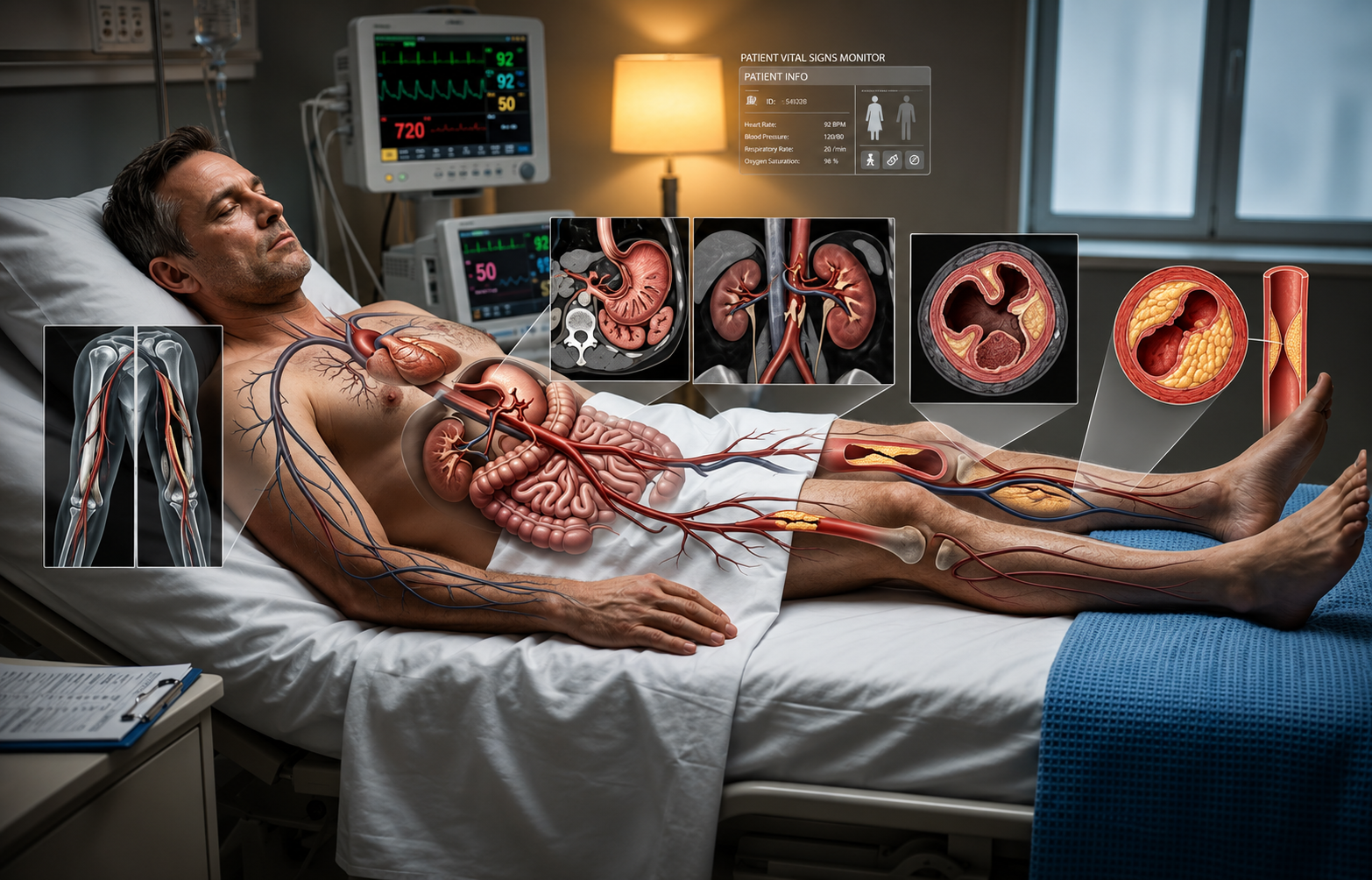
Circulatory System and its Role in PVD
To comprehend Peripheral Vascular Disease (PVD) and the significance of peripheral artery disease surgery, it’s essential to understand the circulatory system’s role in the body. The circulatory system, also known as the cardiovascular system, plays a vital role in transporting blood throughout the body. It consists of the heart, blood vessels, and blood.
The heart serves as a powerful pump, pushing oxygen-rich blood from the lungs into the arteries, which carry this oxygenated blood to various parts of the body. As the tissues use up oxygen and nutrients, the blood becomes depleted of oxygen and returns to the heart through the veins to be reoxygenated.
However, in the context of PVD, the condition affects the blood vessels responsible for carrying blood away from the heart to the extremities. The buildup of plaques in these vessels narrows the passageway, restricting the smooth flow of blood. This reduced blood flow leads to decreased oxygen and nutrient supply to the tissues and muscles in the affected areas. Consequently, individuals with PVD may experience pain, cramping, weakness, and difficulty walking or performing everyday activities.
PVD is closely associated with other cardiovascular risk factors, such as high blood pressure, high cholesterol levels, and diabetes. Moreover, it often coexists with coronary artery disease (CAD), which affects the blood vessels supplying the heart. As such, managing PVD becomes crucial to improve limb function and enhance the quality of life and reduce the risk of heart-related complications.
For effective management of PVD, early diagnosis and appropriate treatment are imperative. Dr. Naveen Bhamri, Head of Department & Senior Director of Interventional Cardiology at Max Super Speciality Hospital in North & West Delhi, offers specialized care in peripheral artery disease surgery. His expertise enables him to provide personalized treatment plans and state-of-the-art interventional cardiology procedures to restore blood flow and enhance overall vascular health.
Understanding the impact of PVD on the circulatory system empowers individuals to take proactive steps in managing their vascular health and leading healthier, more active life through timely intervention and guidance from experts like Dr. Naveen Bhamri. Patients can significantly improve their outcomes and prevent further progression of the disease. By incorporating peripheral artery disease surgery, Dr. Bhamri’s comprehensive approach ensures the best possible results for those seeking relief from PVD symptoms and a better quality of life.
Causes and Risk Factors
Peripheral Vascular Disease (PVD) is a complex condition influenced by various factors. Among the leading causes are lifestyle choices and underlying health conditions. Understanding these contributing elements is vital for early detection and prevention. It is essential to seek guidance from experts such as Dr. Naveen Bhamri, a distinguished peripheral vascular doctor in India, and his team comprises interventional cardiologist and vascular surgeon.
Services Features
- Carotid and Vertebral Angioplasty with Stenting – Including Competent Use of Distal Protection Devices: Carotid and vertebral arteries play a critical role in supplying blood to the brain. However, these arteries can become narrowed or blocked due to atherosclerosis, posing a significant risk of stroke. Dr. Naveen Bhamri utilizes cutting-edge carotid and vertebral peripheral angioplasty procedures with stenting to address such issues. This minimally invasive approach involves inserting a tiny balloon into the affected artery to widen the narrowed segment. A small mesh-like tube stent is then placed to support the artery’s walls and maintain proper blood flow. To ensure optimal outcomes, Dr. Bhamri and his team competently use distal protection devices during the procedure, reducing the risk of potential complications.
- Renal Angioplasty in all Subsets (atherosclerotic, fibromuscular dysplasia, and aortoarteritis): Renal angioplasty is a specialized procedure designed to address kidney blood flow issues. This procedure is effective for various subsets of renal artery conditions, including atherosclerotic lesions, fibromuscular dysplasia (FMD), and aortoarteritis. Dr. Naveen Bhamri’s expertise in renal angioplasty allows him to tailor the treatment plan to each patient’s specific needs, promoting optimal kidney function and reducing the risk of associated complications.
- Peripheral Angioplasty and Stenting for Lower Limb or Upper Limb Occlusive Diseases: Peripheral vascular disease angioplasty in delhi is a key treatment option for individuals with lower limb or upper limb occlusive diseases caused by Peripheral Vascular Disease (PVD). This procedure involves using a balloon catheter to open narrowed or blocked arteries, restoring blood flow to the affected limb. Additionally, Dr. Naveen Bhamri, a top cardiologist and heart doctor, skillfully employs stenting during peripheral angioplasty procedures, providing long-term support to keep the arteries open and maintain improved blood flow. Whether it’s lower limb or upper limb occlusive diseases, Dr. Bhamri’s expertise ensures patients receive comprehensive and effective care.
Dr. Naveen Bhamri, a renowned coronary interventional cardiologist in India, offers advanced peripheral artery disease surgery at Max Super Speciality Hospital. His expertise and state-of-the-art procedures give patients personalized care and improved vascular health. By addressing risk factors and adopting a proactive approach, individuals can lead a healthier, more active life while effectively managing PVD and related conditions.